
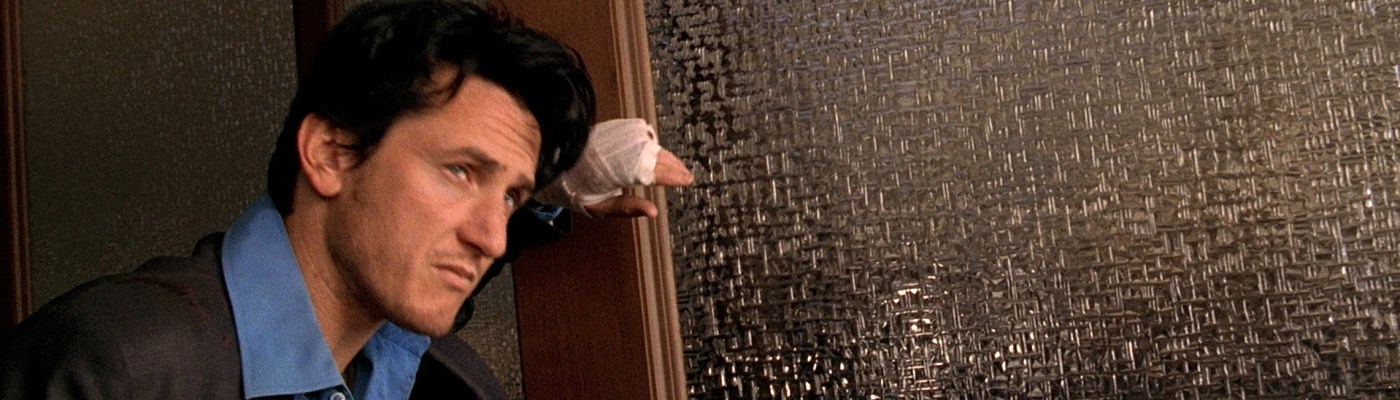
With a title clearly meant to evoke the noir classic Detour, Oliver Stone’s U Turn was consciously designed as a B-movie that, unlike much of his work around the time, had no aspirations toward Oscar recognition. Nor would it receive any. The 1997 film is a down-and-dirty thriller, emphasis on the word “dirty.” The whole movie drips with sweat and grime, so much that you might leave feeling gross at the end.
Stone also intended U Turn to be a more commercial project after the box office failure of his weighty political drama Nixon. Unfortunately, both critics and audiences were turned off by the results and the picture was another financial dud. Perhaps that was unavoidable, but the movie did gain a small cult following on home video, where viewers of a more forgiving mindset could watch it alone or with like-minded friends and not feel so guilty for enjoying it.
| Title: | U Turn |
| Year of Release: | 1997 |
| Director: | Oliver Stone |
| Watched On: | Blu-ray |
| Also Available On: | Various VOD rental and purchase platforms |
As the supposed hero of this story, Sean Penn plays a character we can tell right from the opening credits is a real scumbag. Driving down a desert highway somewhere in the middle of Arizona, and flying high on drugs while doing so, his Bobby Cooper is obviously racing away from a bad situation, probably of his own making. When his car’s radiator hose bursts unexpectedly, Bobby is forced to stop at a fork in the road and decide where to go next. The nearest decent-sized city is quite a distance away and the car won’t hold out for that drive. Pulling a U turn and heading back the direction he came is definitely not going to work either. That leaves him with little choice but to pull off into a tiny nowheresville called Superior. From the looks of it, one can hardly imagine the town being superior to anything.
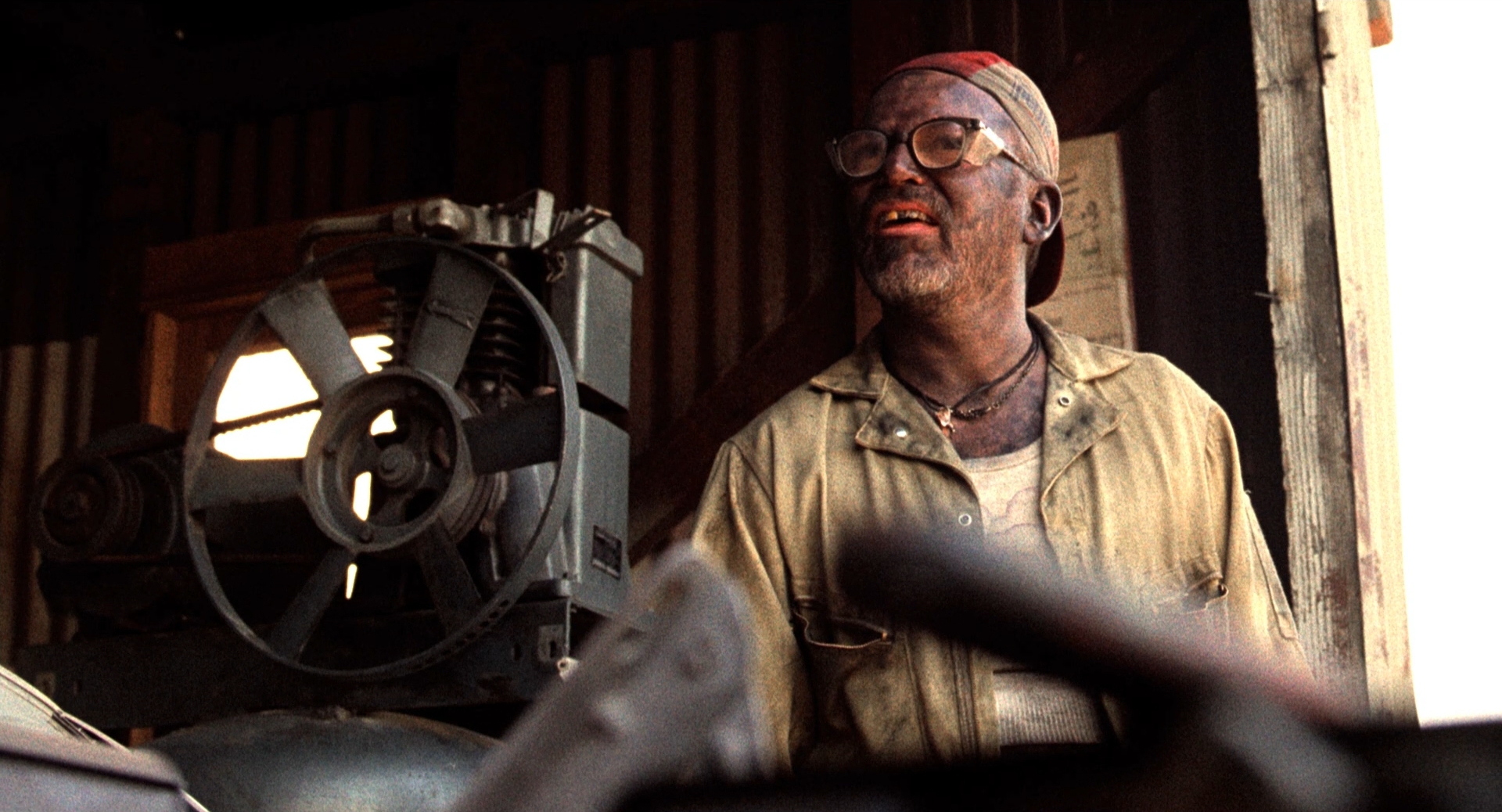
Lacking any other options, Bobby drops the car off with the only mechanic around (Billy Bob Thornton), a greasy redneck who looks and acts like he as an IQ in the double digits and is proud of it. With a couple hours to burn, Bobby heads into town looking for a drink. In typical noir fashion, all he finds is trouble. Within no time at all, he loses all his money and is left unable to so much as get out of town, much less repay the mobsters on his tail planning to take some of his body parts in late fees for the debt he owes them.
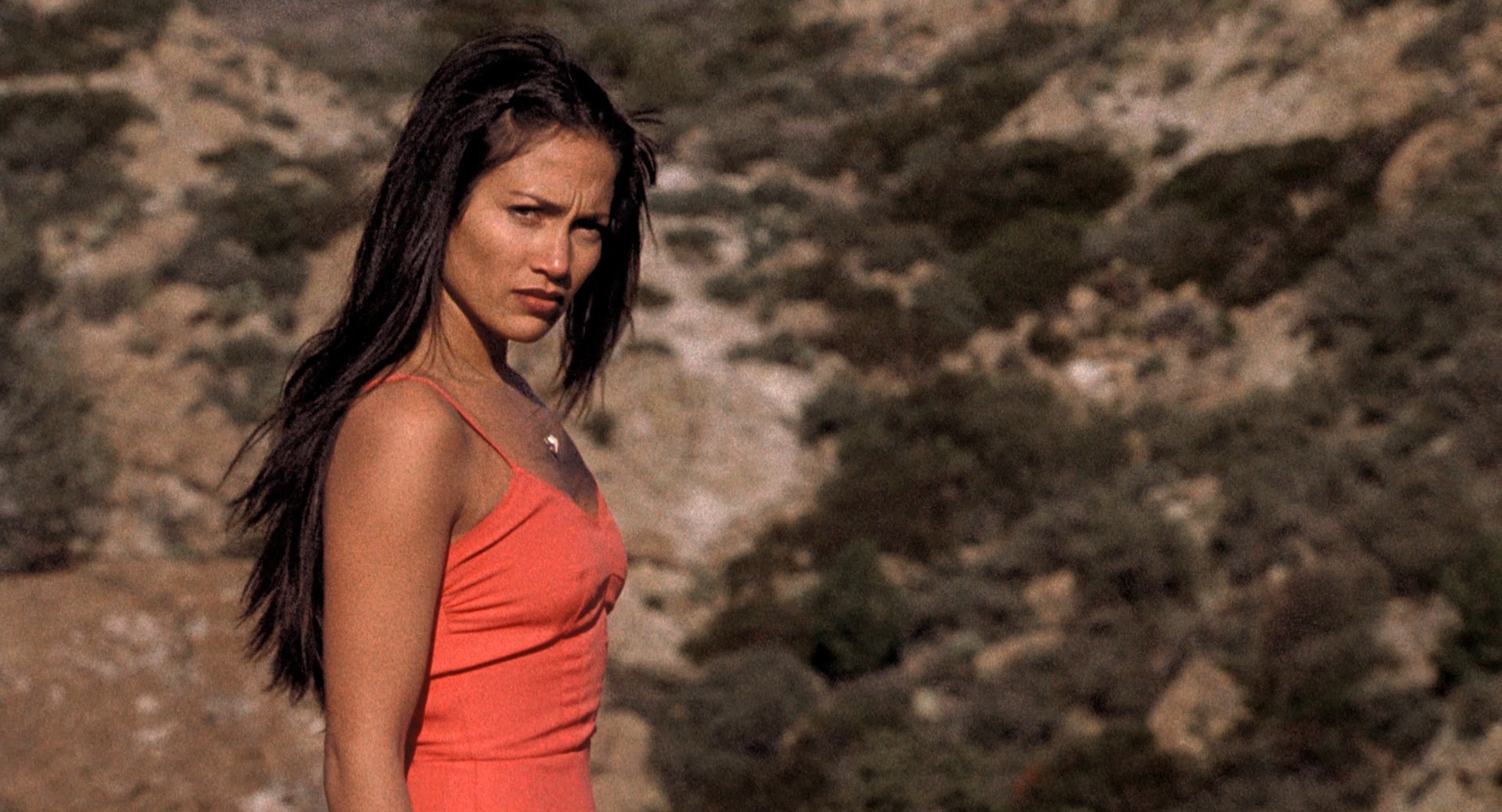
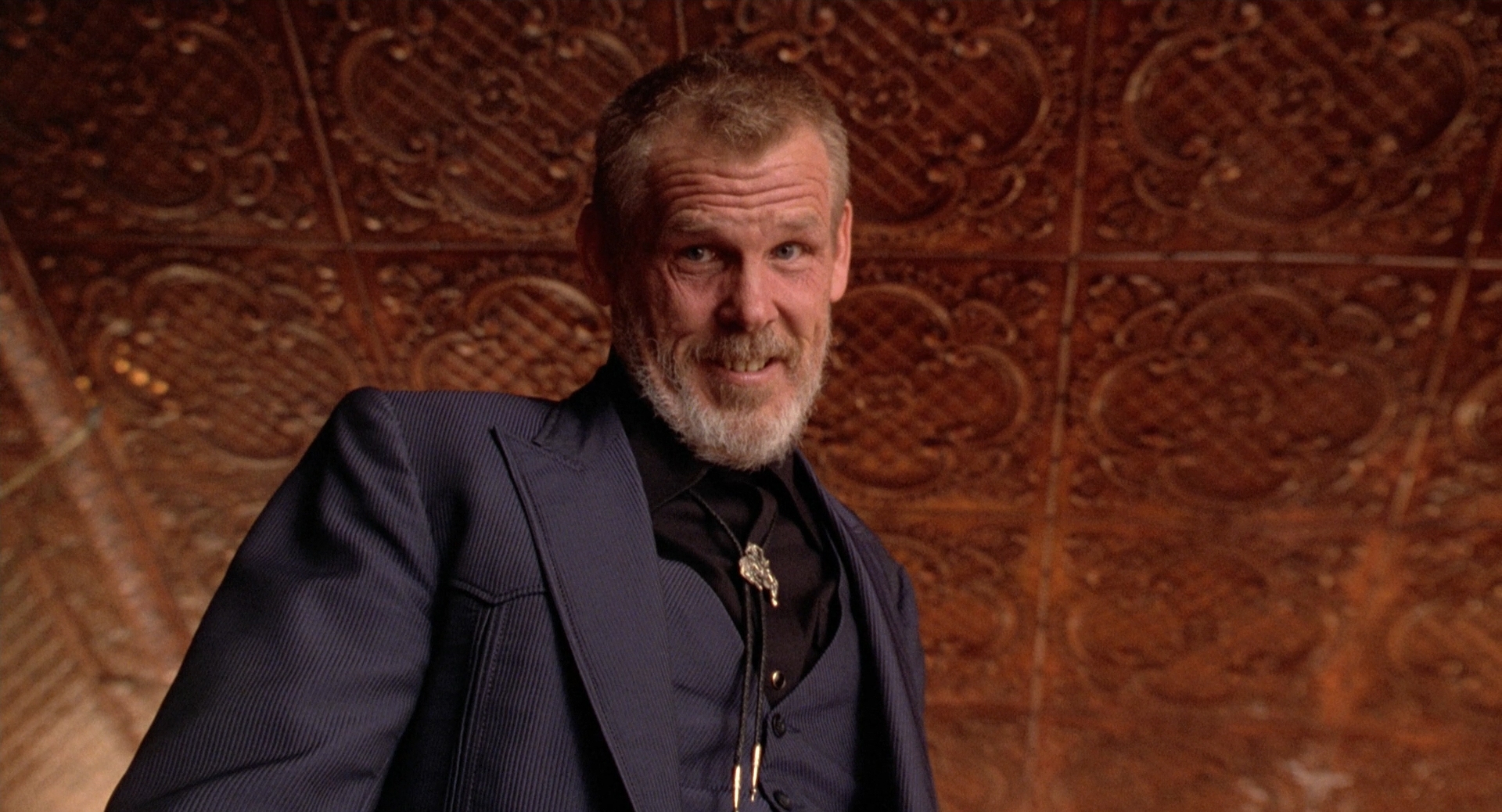
Desperate, Bobby accept an offer from the wealthiest man in the area (Nick Nolte) to kill the guy’s young wife (Jennifer Lopez, fresh off her breakthrough roles in Selena and Anaconda) in order to collect the life insurance policy on her. Unable to follow through, Bobby instead falls for the wife and agrees to help her kill the husband, steal all his ill-gotten cash savings, and run off to start a new life together. Dope that he is, Bobby somehow believes this plan will work, even though he has a thousand reasons to recognize the girl is bad news and can’t be trusted.
That plot as described is pretty conventional film noir material, filled with crosses and double-crosses galore. U Turn wears countless recognizable influences on its sleeve. What sets this example apart is Stone’s overheated and over-stylized direction, which plays with all the gimmicky techniques he’d perfected in JFK and Natural Born Killers: flash-editing, shaky close-ups, radical film stock and media format changes, and so forth. Stone also used his clout as an A-List director to stack the movie with an absurdly overqualified cast for a project of such low ambitions. In addition to those already mentioned, other faces of note include Jon Voight as a philosophizing homeless veteran, Powers Boothe as a corrupt sheriff, Claire Danes as an oversexed teen who tries (unsuccessfully) to throw herself at Bobby to make her boyfriend jealous, and Joaquin Phoenix as that hothead boyfriend who frequently explodes in rage for no reason at all.
Where U Turn lost most viewers is the degree to which Stone cranks up the gain on the seedy tone of the piece, making every single character, including the hero, a complete piece of shit. The movie offers no one to root for. Bobby deserves every indignity he suffers, and nobody else earns even a grain of sympathy. By the time the story turns totally unhinged with a series of depraved revelations about some of the main characters, most viewers will have already checked out, if not walked out. In a theater setting, sitting amongst an audience of strangers, the movie must have left everyone feeling uncomfortable for having watched it together.
In a lot of ways, it’s difficult to understand exactly what Oliver Stone thought he was going for with U Turn. He seems to be trying to shove his viewers’ faces into the muck and filth, then dare them to enjoy themselves for it, like a perverse dom/sub relationship between the director and his audience. Unsurprisingly, this didn’t work. A majority of critics and viewers rejected the movie.
However, the film did resonate with a small segment of them, especially the dark comedy aspects of it. The way Bobby presents himself as a cocky badass, only to get beaten and humiliated at every turn, is indeed pretty funny. The character is broken down so far by the end that he’s left a miserable, sniveling wreck unable to catch a single break. Even though it’s been done better and more successfully elsewhere (Blood Simple comes to mind), that sort of thing can be entertaining when done well.
How well or if at all Oliver Stone accomplished that will be a matter of opinion, and the consensus on this one weighs heavily against it. As a fan of the director, I’m inclined to give it a pass, while recognizing that it’s certainly one of his lesser works. In any case, how Stone could have ever expected this to be a mainstream success is baffling.
The Blu-ray
To date, U Turn has only had one Blu-ray release in the American market, on a 2015 disc from the Twilight Time video label. If a 4K remaster should ever be planned, I have no knowledge of it at this time.
The 1.85:1 video transfer is a little difficult to judge given Oliver Stone’s heavy stylization of the picture, which ranges from blown-out contrast in all the daytime exterior scenes to more natural tones during interiors and nighttime scenes. Stone played around with mixed media a lot during this time period (the apex being Natural Born Killers) and his movies weren’t meant to look pretty in a conventional sense.
Even that being said, the contrast here appears to have been manipulated in the video domain, and suffers seriously clipped and crushed highlights that don’t look like the typical results of overexposing film. Grain is also excessively harsh and noisy. Lacking further evidence at the moment, I’m going to assume this was done intentionally during the original production and isn’t a video transfer flaw, but it’s also entirely possible that the contrast was boosted further for video. For what it’s worth, I didn’t notice any signs of DRN or edge enhancement. The nighttime scenes actually look very nice.
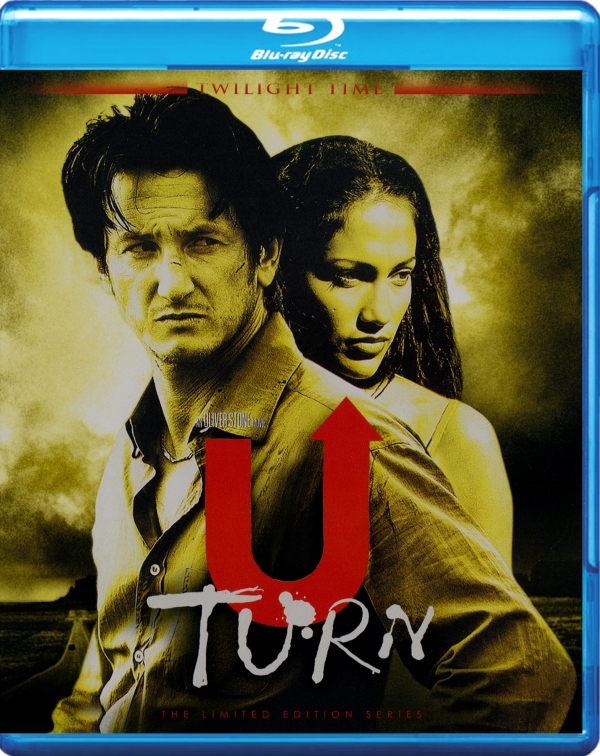
The DTS-HD Master Audio 5.1 soundtrack, meanwhile, is a real stunner. The mix has a lot of very effective directional surround activity. Dynamic range is great, with plenty of bass and startling gunshots. Musical fidelity is also excellent, across both the licensed songs and the Ennio Morricone score.
For extras, Twilight Time offers an introduction by Oliver Stone, two audio commentaries (one by Stone and one by producer Mike Medavoy with Twilight Time’s Nick Redman), a trailer, and an isolated score track. The label’s Julie Kirgo of course also provides a booklet essay.
Related
- Thematically Similar
- Oliver Stone (director and/or writer)
- Jennifer Lopez
- Nick Nolte
- Powers Boothe
- Billy Bob Thornton

