
………………………………………………………………………………………..
…………………………………………………………………………………………
………………………………………………………………………………………..
………………………………………………………………………………………..
………………………………………………………………………………………..
………………………………………………………………………………………..
………………………………………………………………………………………..
………………………………………………………………………………………..
………………………………………………………………………………………..
………………………………………………………………………………………..
………………………………………………………………………………………..
………………………………………………………………………………………..
………………………………………………………………………………………..
………………………………………………………………………………………..
………………………………………………………………………………………..
………………………………………………………………………………………..
………………………………………………….. Solaris………………………….
………………………………………………………………………………………..
………………………………………………………………………………………..
………………………………………………………………………………………..
………………………………………………………………………………………..
………………………………………………………………………………………..
………………………………………………………………………………………..
………………………………………………………………………………………..
………………………………………………………………………………………..
………………………………………………………………………………………..
………………………………………………………………………………………..
………………………………………………………………………………………..
………………………………………………………………………………………..
………………………………………………………………………………………..
………………………………………………………………………………………..
………………………………………………………………………………………..
………………………………………………………………………………………..
………………………………………………………………………………………..
………………………………………………………………………………………..
………………………………………………………………………………………..
………………………………………………………………………………………..
………………………………………………………………………………………..
………………………………………………………………………………………..
………………………………………………………………………………………..
………………………………………………………………………………………..
………………………………………………………………………………………..
………………………………………………………………………………………..
………………………………………………………………………………………..
………………………………………………………………………………………..
………………………………………………………………………………………..
………………………………………………………………………………………..
………………………………………………………………………………………..
………………………………………………………………………………………..
………………………………………………………………………………………..
………………………………………………………………………………………..
………………………………………………………………………………………..
………………………………………………………………………………………..
………………………………………………………………………………………..
………………………………………………………………………………………..
………………………………………………………………………………………..
………………………………………………………………………………………..
………………………………..Tarkovsky ……………………………………….
………………………………………………………………………………………..
………………………………………………………………………………………..
………………………………………………………………………………………..
……………………………………………………………………………………….
………………………………………………………………………………………..
………………………………………………………………………………………..
………………………………………………………………………………………..
………………………………………………………………………………………..
………………………………………………………………………………………..
………………………………………………………………………………………..
………………………………………………………………………………………..
………………………………………………………………………………………..
………………………………………………………………………………………..
………………………………………………………………………………………..
………………………………………………………………………………………..
………………………………………………………………………………………..
………………………………………………………………………………………..
………………………………………………………………………………………..
………………………………………………………………………………………..
………………………………………………………………………………………..
………………………………………………………………………………………..
………………………………………………………………………………………..
………………………………………………………………………………………..
………………………………………………………………………………………..
………………………………………………………………………………………..
………………………………………………………………………………………..
………………………………………………………………………………………..
………………………………………………………………………………………..
………………………………………………………………………………………..
………………………………………………………………………………………..
………………………………………………………………………………………..
………………………………………………………………………………………..
………………………………………………………………………………………..
………………………………………………………………………………………..
………………………………………………………………………………………..
………………………………………………………………………………………..
………………………………………………………………………………………..
………………………………………………………………………………………..
………………………………………………………………………………………..
………………………………………………………………………………………..
………………………………………………………………………………………..
………………………………………………………………………………………..
………………………………………………………………………………………..
…………………………………………………………………………………………
………………………………………………………………………………………..
………………………………………………………………………………………..
………………………………………………………………………………………..
………………………………………………………………………………………..
………………………………………………………………………………………..
………………………………………………………………………………………..
………………………………………………………………………………………..
………………………………………………………………………………………..
………………………………………………………………………………………..
………………………………………………………………………………………..
………………………………………………………………………………………..
………………………………………………………………………………………..
………………………………………………………………………………………..
……………….. planet …………………………………………………………….
………………………………………………………………………………………..
………………………………………………………………………………………..
………………………………………………………………………………………..
………………………………………………………………………………………..
………………………………………………………………………………………..
………………………………………………………………………………………..
………………………………………………………………………………………..
………………………………………………………………………………………..
………………………………………………………………………………………..
………………………………………………………………………………………..
………………………………………………………………………………………..
………………………………………………………………………………………..
………………………………………………………………………………………..
………………………………………………………………………………………..
………………………………………………………………………………………..
………………………………………………………………………………………..
………………………………………………………………………………………..
………………………………………………………………………………………..
………………………………………………………………………………………..
………………………………………………………………………………………..
………………………………………………………………………………………..
………………………………………………………………………………………..
………………………………………………………………………………………..
………………………………………………………………………………………..
………………………………………………………………………………………..
………………………………………………………………………………………..
………………………………………………………………………………………..
………………………………………………………………………………………..
………………………………………………………………………………………..
………………………………………………………………………………………..
………………………………………………………………………………………..
………………………………………………………………………………………..
………………………………………………………………………………………..
………………………………………………………………………………………..
………………………………………………………………………………………..
………………………………………………………………………………………..
………………………………………………………………………………………..
………………………………………………………………………………………..
………………………………………………………………………………………..
………………………………………………………………………………………..
………………………………………………………………………………………..
………………………………………………………………………………………..
………………………………………………………………………………………..
………………………………………………………………………………………..
………………………………………………………………………………………..
………………………………………………………………………………………..
………………………………………………………………………………………..
………………………………………………………………………………………..
………………………………………………………………………………………..
………………………………………………………………………………………..
………………………………………………………………………………………..
………………………………………………………………………………………..
………………………………………………………………………………………..
………………………………………………………………………………………..
………………………………………………………………………………………..
………………………………………………………………………………………..
………………………………………………………………………………………..
………………………………………………………………………………………..
………………………………………………………………………………………..
………………………………………………………………………………………..
………………………………………………………………………………………..
………………………………………………………………………………………..
………………………………………………………………………………………..
………………………………………………………………………………………..
………………………………………………………………………………………..
………………………………………………………………………………………..
………………………………………………………………………………………..
………………………………………………………………………………………..
………………………………………………………………………………………..
………………………………………………………………………………………..
………………………………………………………………………………………..
………………………………………………………………………………………..
………………………………………………………………………………………..
………………………………………………………………………………………..
………………………………………………………………………………………..
………………………………………………………………………………………..
………………………………………………………………………………………..
………………………………………………………………………………………..
………………………………………………………………………………………..
………………………………………………………………………………………..
………………………………………………………………………………………..
………………………………………………………………………………………..
………………………………………………………………………………………..
………………………………………………………………………..enigmatic…
…………………………………………………………………………………………
………………………………………………………………………………………..
………………………………………………………………………………………..
………………………………………………………………………………………..
………………………………………………………………………………………..
………………………………………………………………………………………..
………………………………………………………………………………………..
………………………………………………………………………………………..
………………………………………………………………………………………..
………………………………………………………………………………………..
………………………………………………………………………………………..
………………………………………………………………………………………..
………………………………………………………………………………………..
………………………………………………………………………………………..
………………………………………………………………………………………..
………………………………………………………………………………………..
………………………………………………………………………………………..
………………………………………………………………………………………..
………………………………………………………………………………………..
………………………………………………………………………………………..
………………………………………………………………………………………..
………………………………………………………………………………………..
………………………………………………………………………………………..
………………………………………………………………………………………..
………………………………………………………………………………………..
………………………………………………………………………………………..
………………………………………………………………………………………..
………………………………………………………………………………………..
………………………………………………………………………………………..
………………………………………………………………………………………..
………………………………………………………………………………………..
………………………………………………………………………………………..
………………………………………………………………………………………..
………………………………………………………………………………………..
………………………………………………………………………………………..
………………………………………………………………………………………..
………………………………………………………………………………………..
………………………………………………………………………………………..
………………………………………………………………………………………..
………………………………………………………………………………………..
………………………………………………………………………………………..
………………………………………………………………………………………..
………………………………………………………………………………………..
………………………………………………………………………………………..
………………………………………………………………………………………..
………………………………………………………………………………………..
………………………………………………………………………………………..
………………………………………………………………………………………..
………………………………………………………………………………………..
………………………………………………………………………………………..
………………………………………………………………………………………..
………………………………………………………………………………………..
………………………………………………………………………………………..
………………………………………………………………………………………..
………………………………………………………………………………………..
………………………………………………………………………………………..
………………………………………………………………………………………..
………………………………………………………………………………………..
………………………………………………………………………………………..
………………………………………………………………………………………..
………………………………………………………………………………………..
………………………………………………………………………………………..
………………………………………………………………………………………..
………………………………………………………………………………………..
………………………………………………………………………………………..
………………………………………………………………………………………..
………………………………………………………………………………………..
………………………………………………………………………………………..
………………………………………………………………………………………..
………………………………………………………………………………………..
………………………………………………………………………………………..
…………………………………………………………………………………………
………………………………………………………………………………………..
………………………………………………………………………………………..
………………………………………………………………………………………..
(This introduction should make perfect sense after watching the movie.)
| Title: | Solaris |
| Also Known As: | Solyaris |
| Year of Release: | 1972 |
| Director: | Andrei Tarkovsky |
| Watched On: | Blu-ray |
| Also Available On: | 4K Ultra HD Blu-ray (Germany and Japan) The Criterion Channel HBO Max Pluto TV Tubi Various VOD rental and purchase platforms |
Russian filmmaker Andrei Tarkovsky (Ivan’s Childhood, Andrei Rublev) famously hated Stanley Kubrick’s science fiction opus 2001: A Space Odyssey so much that he made his own, nearly-three-hour-long science fiction drama Solaris a few years later as a rebuke to it. Both films suffered similar complaints from viewers about their lengths and pacing, but both over time came to be regarded as masterpieces in their own ways. This may have pleased Kubrick (who reportedly quite liked Solaris), but I’m sure didn’t please Tarkovsky at all.
Of the two, Solaris is by far the more challenging for a viewer to grasp or engage with, which is saying quite a lot. Modern viewers in particular (and by “modern” I mean anyone born within the last 50 years or so), with modern expectations for how something posing as a movie is supposed to work, will very likely struggle with it. For one thing, most motion pictures generally have some motion in them. Tarkovsky cared not at all about pandering to what an audience might want or like.
(Be advised that I’m about to write some things that may read as harsh criticisms of the film and its maker, but are not necessarily intended as such. I hope that makes more sense before I finish.)
If you’ll recall, Kubrick’s 2001 opened with the very lengthy Dawn of Man sequence in which a small group of proto-humans mill around for quite a while, grazing on a few things they find to eat, and generally don’t do much of anything until they see a strange monolith. This inspires one to pick up a bone and use it as a weapon to drive away another tribe. Apparently, Tarkovsky found all this far too dramatic and action-packed for his liking. In response, he opens Solaris with a man staring at seaweed. The scene has almost no movement or sound, nor frogs or fish or bugs or birds to distract viewers with short attention spans. It’s just a man, standing in weeds, looking at a pond. This lasts for approximately 20 minutes, or at least feels like it does.
Slowly, very slowly, a sketch of a story emerges. The man is a psychologist named Kris Kelvin (Donatas Banionis). He’s asked to travel a great distance to a far-off space station orbiting a planet called Solaris. Originally manned by 85 people, the station has been reduced to a skeleton crew of just three, the others having returned to Earth in some form of mental health distress none can articulate. By the time Kelvin gets to the station, only two scientists remain, the third (a friend of Kelvin’s) explained to have committed suicide. The two survivors (if that’s the right term) behave oddly. They’re not threatening in any way, but barely pay any attention to the arrival of a new person.
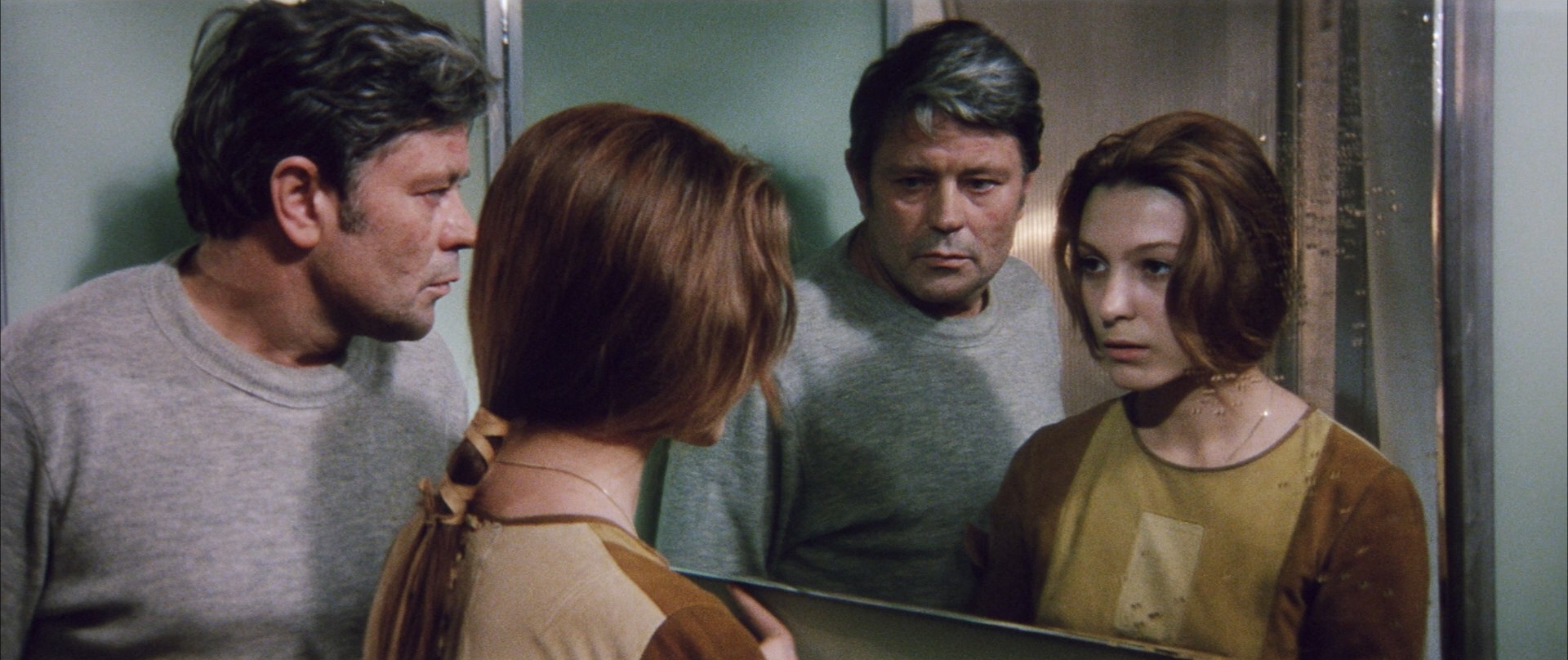
Kelvin catches quick glimpses of what appear to be more people on the station, and hears what he believes are voices. These are described to him as “guests.” One such guest is Kelvin’s wife, Khari (Natalya Bondarchuk), who obviously should not be there, because, among other reasons, she died several years earlier.
Kelvin has no reaction to his dead wife suddenly reappearing in his life, millions of miles from Earth. One scientist states, without much elaboration, that the ocean on the planet below is a living entity with neural responses like a brain, and has manifested physical embodiments of memories from each man’s mind. This is not treated as an extraordinary discovery, but rather just a typical thing that can happen when you’re in space. Kelvin sees no reason to question or be disturbed by anything he experiences.
Kelvin loves his wife, or believes he does (it’s hard to tell), despite the fact that she’s not his wife, just a reflection of her, composited from what he remembers and the way he remembers it. The more time they spend together, Khari begins to question herself. Is she a real person at all, or only a mirage of one?
Kelvin has no answers for this. He wants to be with Khari, to the point of staying on the station, as the other two scientists did for similar reasons, and refusing a return trip to Earth. But can a man really love something that may not actually exist, except in his mind? Even if she does exist, she does so only as Kelvin wants to remember his wife, not the way she really was, with a full mental and emotional life he couldn’t know.
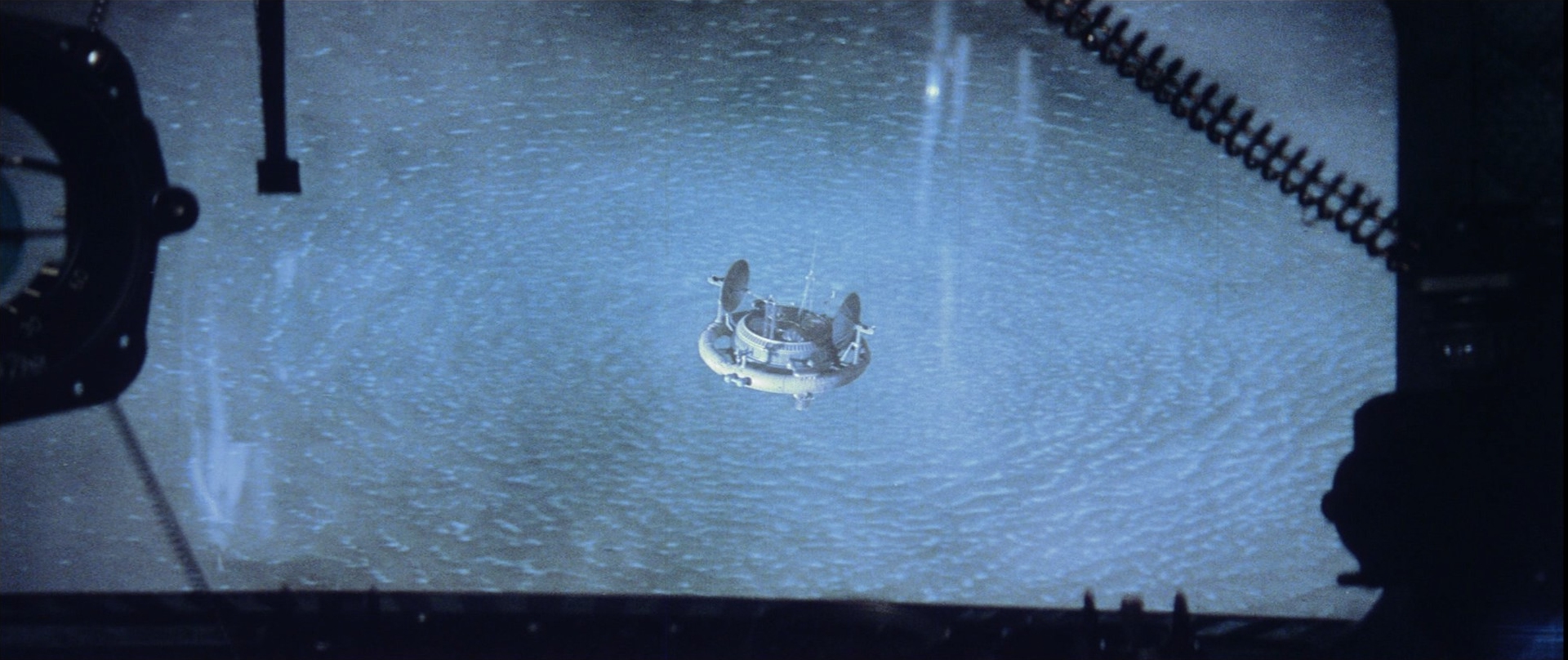
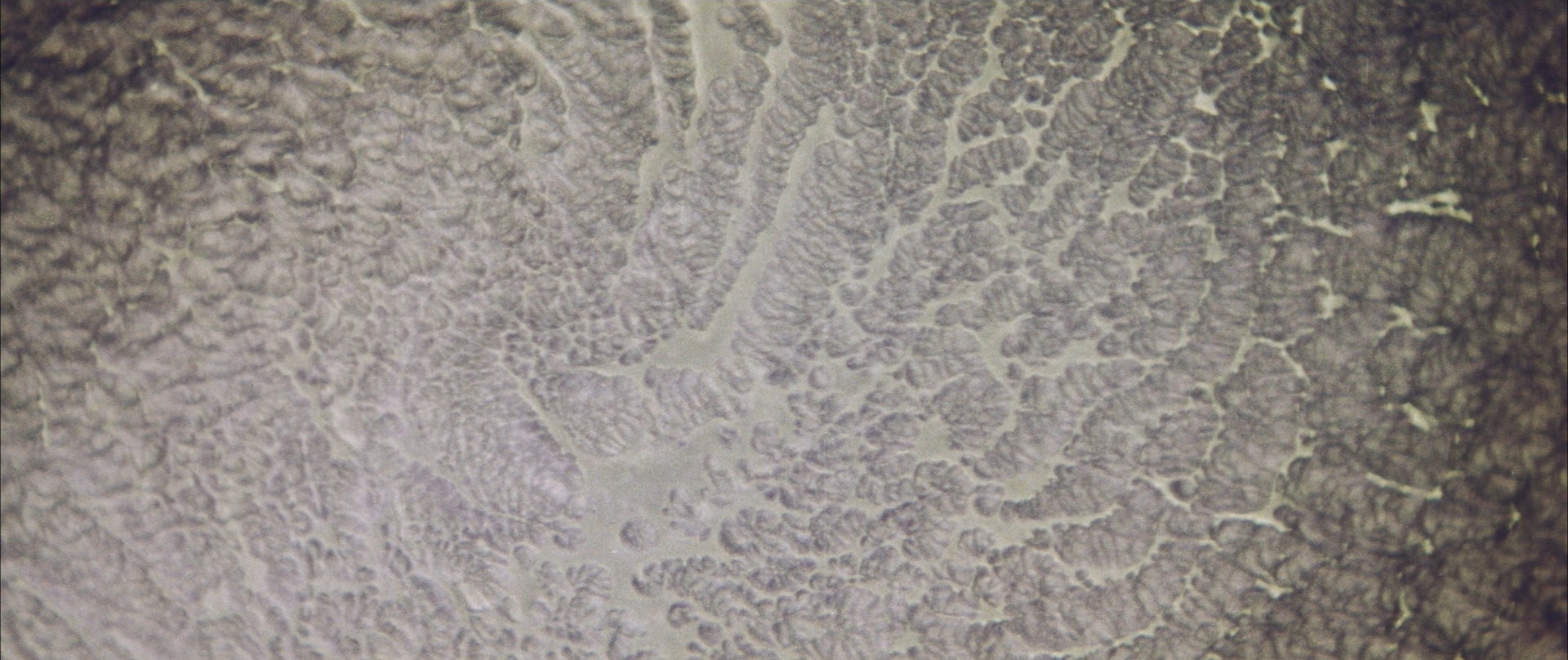
Solaris is far from a typical science fiction film. Among his complaints about 2001, Tarkovsky derided it as shallow and cold, with too much focus on technological hardware and not enough on human emotion. This tracks in as much as that Solaris demonstrates no concern for technology or science at all. It has precisely one model shot of the space station. Images of the planet’s ocean look rather like the liquids in a lava lamp filmed in slow motion. The movie has no other special effects of any sort. Kelvin’s journey to the station is depicted only in a tight close-up of his face.
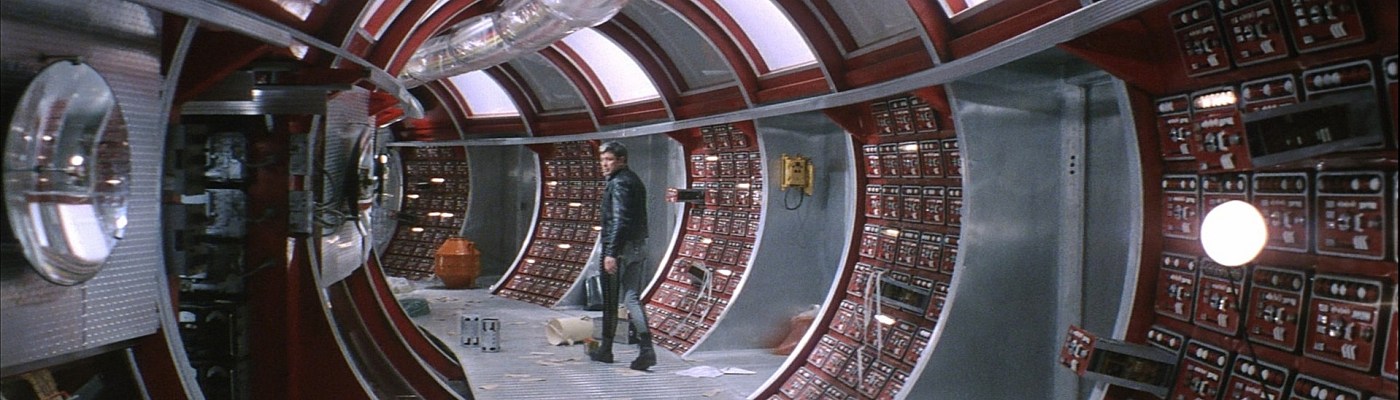
The interior art direction has a few hallways with what look like electronic components stuck to the walls or cables strew about, but other rooms resemble a home’s study, with wood paneling, a library of books lining the shelves, and a marble bust or two for decoration. In adapting the story from a novel by Polish author Stanislaw Lem, Tarkovsky had no interest in the science aspect of science fiction and mostly discarded those parts. His movie still takes place in space merely to facilitate the concept of an alien intelligence affecting human minds.
On the other hand, Tarkovsky’s derision of Kubrick’s lack of warmth or emotion reads as extraordinarily hypocritical to me. That the human characters in 2001 may behave robotically while the robotic intelligence on the ship with them becomes more human-like is a central theme in Kubrick’s movie that Tarkovsky appears to have missed entirely, and makes logical sense given that the men are astronauts trained to remain calm and in control under any circumstance. The characters in Solaris, meanwhile, behave in no way like actual human beings in any scene, at any moment, not on Earth and not in space.
It might be argued that the other scientists on the station have gone mad from their exposure to the planet, or simply from their time spent in space. Kelvin may also be in a state of depression for his wife’s death, but his immediate acceptance of her doppelganger, with no sense of surprise at her appearance, is utterly bizarre, as if he expected something like that to happen. Kelvin talks about loving his wife, but never displays any for her. He seems to be in a trance the entire 167 minutes. Love is an intellectual concept in this movie, not emotional.
To say that Solaris moves slowly is a considerable understatement. The film is punishingly slow, no doubt deliberately so. The film is designed and intended to be viewed in a darkened and quiet theater, not on a living room television. Tarkovsky demands patience and makes no compromise in that regard for the audience’s benefit. His work prioritizes art over entertainment, if “entertaining” could even be used to describe it, and should be watched in the mindset of visiting a museum to study a painting in quiet contemplation for roughly three hours. That’s a big ask for most moviegoers.
Solaris is more mood piece than drama. The film challenges you as a viewer to meet Tarkovsky on his terms, not the other way around. If you can adjust to that, and doing so may require a lot of work, it’s a hypnotic journey into areas of philosophical inquiry about the nature of existence and reality.
Is Solaris a masterpiece? That question may not be answerable. For some, it will be. Others will find it a pretentious bore. Is one right and the other wrong, or can both simultaneously be true? That is a conundrum worth pondering as well.
The Blu-ray
Tarkovsky’s Solaris joined the Criterion Collection as spine #164, first as a DVD in 2002 and then on Blu-ray in 2011 . Apparently, a 4K remaster/”restoration” was released in Germany in 2026, but has not made its way to North America yet. I wasn’t aware of its existence until after watching the Criterion disc.
Notes in the Criterion booklet state that the Blu-ray transfer was sourced from a 35mm low-contrast print, not the camera negative. I presume it was scanned in 2K at that time. The film elements exhibit some gate weave, minor speckling, and occasional scratches. None are too distracting, but are worth noting. To my mind, it feels like watching a mostly well-preserved 35mm print in an art house theater.
The 2.35:1 image is fairly soft on the whole, though it’s detailed enough to expose actress Natalya Bondarchuk’s unwaxed upper lip facial fuzz. Early images of seaweed are a nice shade of green, but colors and contrast throughout the rest of the movie look slightly faded. Because I’m not an expert on Tarkovsky, I’m not sure whether that’s a flaw from the transfer’s source elements or if it might have been a deliberate stylistic decision. I didn’t find the look objectionable, but this disc is pretty far from home theater eye candy. From what little I do know about Tarkovsky, I doubt he’d ever want his movie to look pretty, anyway.
The film occasionally switches from color to black-and-white for reasons that mostly mystify me. During some early footage being watched on a TV screen, I can understand the decision. Later instances seem random, for all I can tell. I’ve read that the effect was meant to be used for flashbacks to Earth, but that’s not the case for all the b&w scenes. Stories that Tarkovsky simply ran out of color film and had to resort to black-and-white are apocryphal and held in much doubt.
Somewhat controversially, Criterion has chosen to preserve a blue tint in most of these scenes. This decision was a reversal for Criterion, whose earlier DVD attempted to correct the footage to a monochrome gray scale. At the time of the DVD’s release, Criterion claimed to to have consulted the film’s cinematographer, who stated the tint in theatrical prints was an error. However, supposedly, additional research afterward suggested that the blue tint was intentional. In any case, it’s not consistently applied. Some scenes are heavily blue, others a lighter blue, and a few in a traditional gray scale. I think it’s entirely possible that all this was deliberate and that Tarkovsky just had weird ideas for how to photograph his movie.
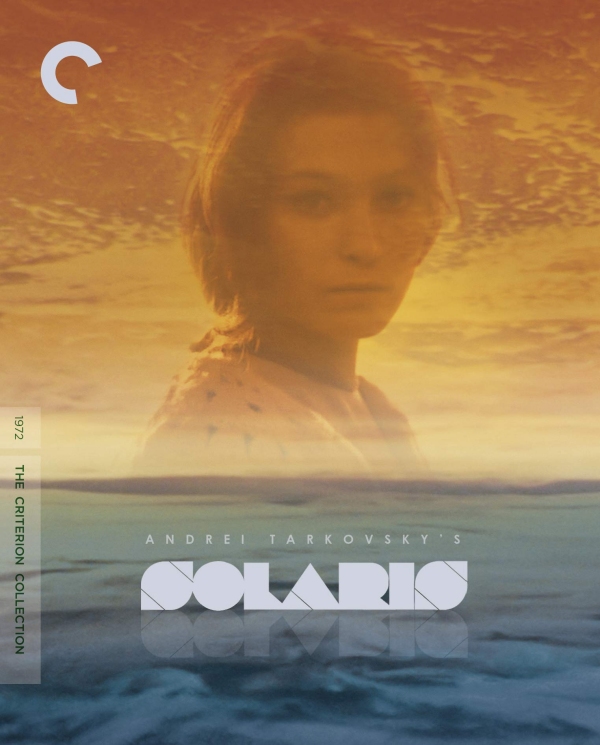
Criterion has also chosen to preserve the film’s soundtrack in PCM mono format, forgoing a 5.1 remix used on some earlier DVDs from other labels. I can’t imagine what surround sound could possibly do for this movie, or even how it could be applied. Frankly, the quality of the audio is almost irrelevant given that so much of the movie is either silent or practically so. The majority of sound is dialogue (sparsely spoken) with a few subdued sound effects here or there. While the movie technically has a musical score, it’s heard so infrequently and suppressed so far into the background that it might as well not exist.
Criterion’s bonus features consist of an audio commentary by a couple Tarkovsky scholars, and handful of deleted scenes, some interviews, and excerpts from a documentary about author Stanislaw Lem. A booklet in the case offers an essay by critic Phillip Lopate and a 1977 appreciation essay from director Akira Kurosawa.
IMPORTANT NOTE: Playback on my Blu-ray copy of Solaris was interrupted by a dead-freeze almost exactly two hours into the nearly three-hour movie. One of my Blu-ray players, as well as my computer disc drive, refused to read any further. Fortunately, another Blu-ray player I had on hand managed to push through the problem and finish the movie, but with three or four instances of severe pixelation artifacting on screen during the same chapter. Before someone chides me about it, yes, I tried cleaning the disc but it made no difference.
If I’m not mistaken, this Blu-ray was released around the time Criterion had a serious issue with a disc pressing plant that resulted in many defective copies of its releases. If wishing to purchase the movie today, I’d be quite wary of this Blu-ray and would probably opt to wait for the European 4K remaster to show up on these shores.

