

A title like Experiment in Terror seems primed for disappointment six decades and change later. Could any film from 1962 actually scare a jaded audience conditioned by modern horror movies to expect graphic violence and gore from something with a name like that? Perhaps not, even probably not, especially once you tell those same viewers that it’s from the guy who made all those silly Pink Panther comedies. Skepticism is inevitable. Now show them the opening scene and see how they react.
Despite the title, Experiment in Terror isn’t a horror movie at all. It’s a noir thriller made at the tail end of that genre’s original popularity. I wouldn’t even say it’s scary, per se, but right off the jump Blake Edwards wants you to know that he means serious business this time.
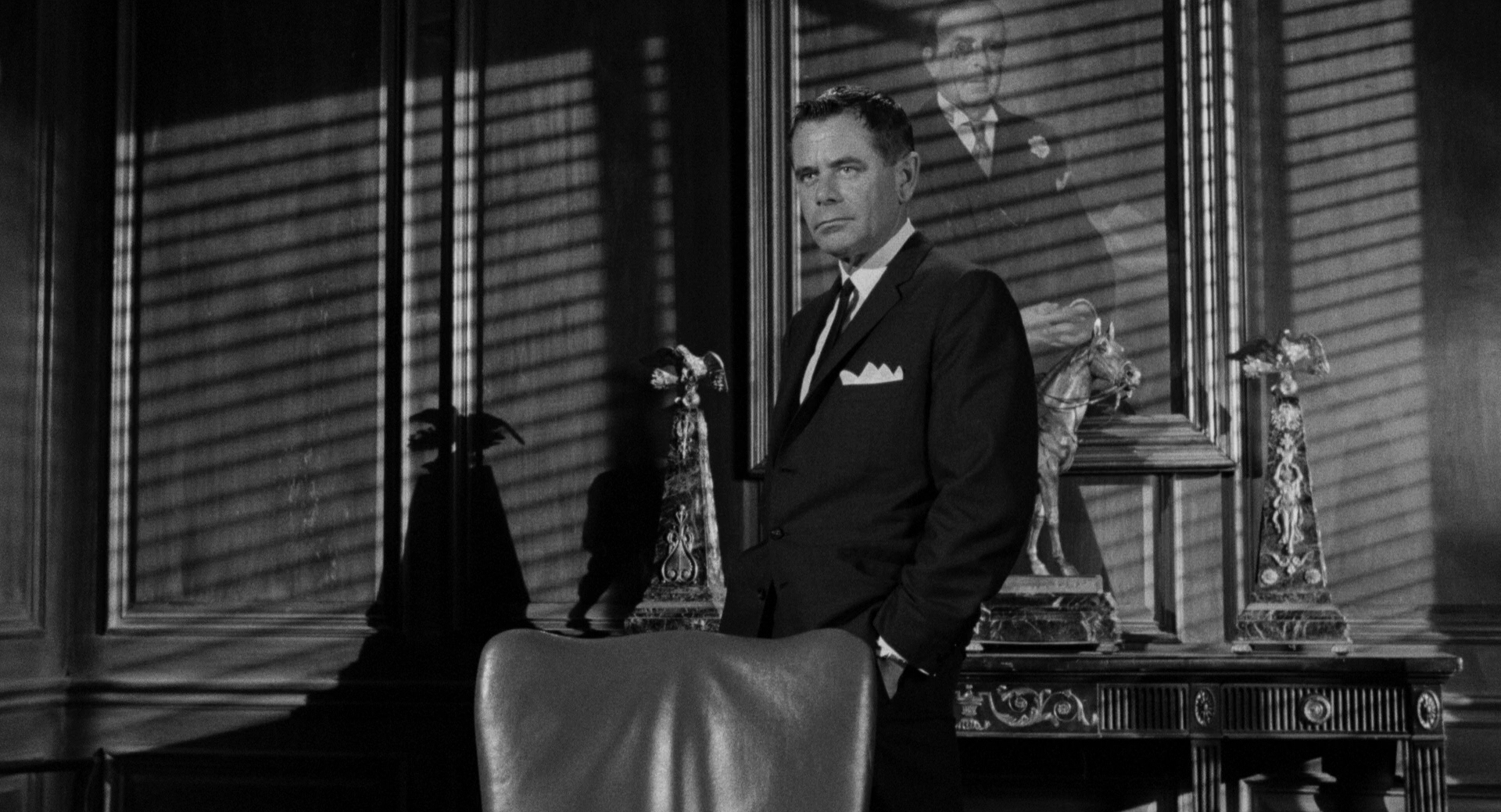
| Title: | Experiment in Terror |
| Year of Release: | 1962 |
| Director: | Blake Edwards |
| Watched On: | Blu-ray |
| Also Available On: | Fubo TV Various VOD rental and purchase platforms |
The film doesn’t bother with needless things like exposition or plot setup. Kelly Sherwood (Lee Remick) drives home one night, pulls into her garage, and immediately senses that something is wrong. She’s grabbed from behind by a man in the shadows who holds her mouth closed and whispers menacingly into her ear. He knows an awfully lot about Kelly, more than a stranger should. He knows every detail of her daily routine, everyone she might speak to, and how he’d expect her to react to this exact situation. Even more disconcertingly, he knows the same about her teenage sister. If she doesn’t do exactly what he says, not only will he kill Kelly, he’ll kill the sister too, and maybe do some nasty things to both beforehand.
Keep in mind that this movie was made in the waning days of the Hays Code, but before its official end.
Kelly isn’t an important person. She has nothing of her own a man like this might want, beyond the obvious threat he implies. However, she has a job as a bank teller, which means she must work in proximity to a lot of money. The demand is simple: bring him $100,000 in cash and don’t call the cops. How she gets that money out of the bank is her own problem to solve.
As soon as her attacker seems to leave, Kelly does try to call directly to the FBI (why not the local police first?) and promptly learns the error of her ways. The stranger expected this and was waiting. He warns her not to make another mistake like that or he’ll know and she won’t like the result.
Enough of the call got through to trouble Agent John Ripley (Glenn Ford). He looks up every woman named Sherwood in the vicinity of the exchange where the call originated until he finds Kelly, learns where she works, and puts the pieces of this puzzle together quickly. He wants to help Kelly, and she desperately wants him to, but the stranger seems to be ahead of them both, and demonstrates that he wasn’t exaggerating about his willingness to murder.
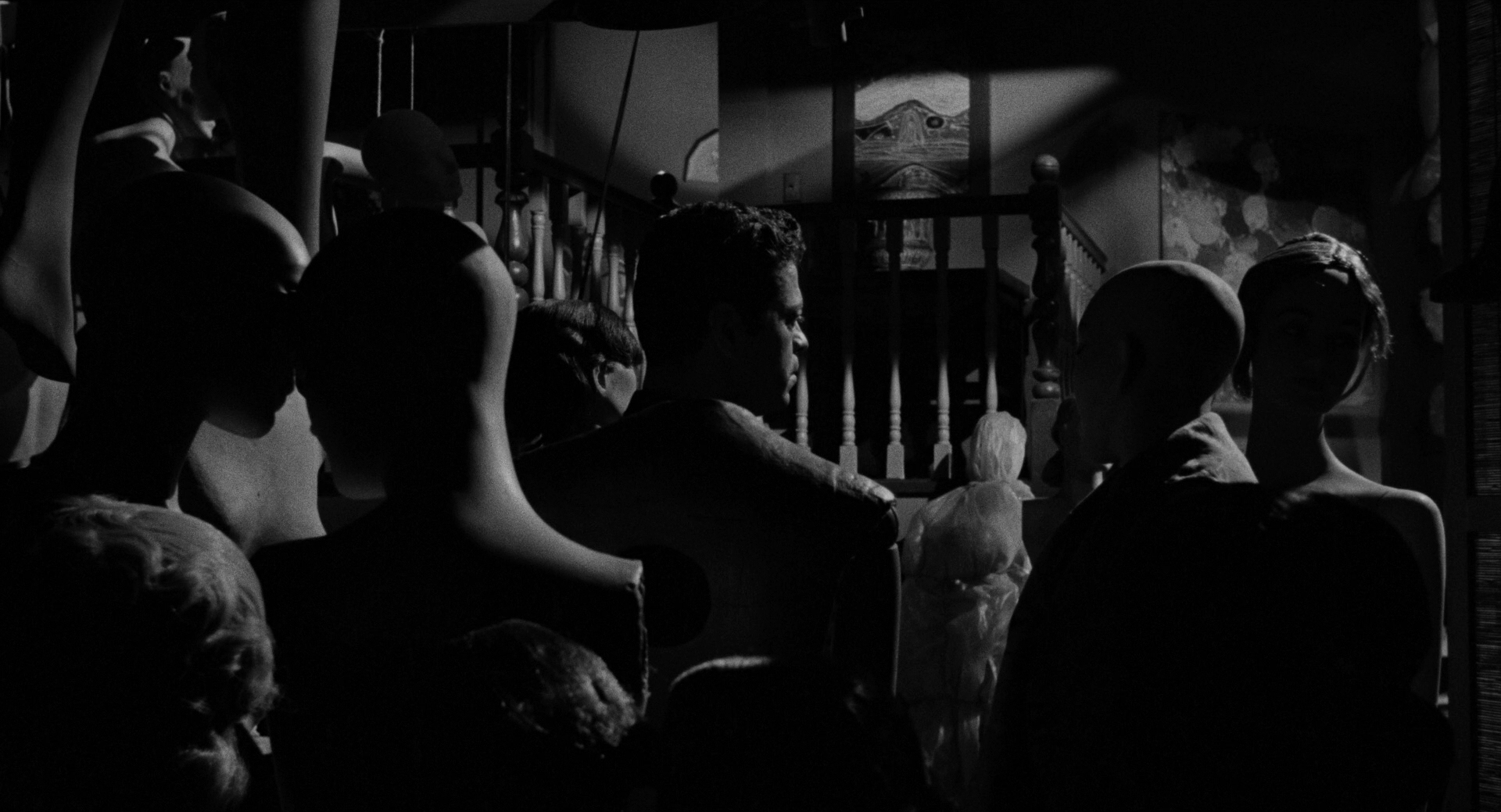
Photographed in moody black-and-white with plenty of expressive shadows and an unsettling musical score by Henry Mancini, Experiment in Terror is a surprisingly tense and suspenseful thriller given that Blake Edwards had just come off of Breakfast at Tiffany’s and wasn’t particularly known for anything this dark. He’d directed a Mickey Spillane movie for TV and created the Peter Gunn detective series, but both were constrained by the limitations of the era’s television and neither attempted to be this button-pushing, clearly inspired by the success of Alfred Hitchcock’s Psycho.
That opening scene will grab your attention as quickly as the stranger grabs Kelly, and not just for the initial jump-scare aspect of it. The terror of the title is more than just Kelly’s fear of the man at that moment, but of what he promises to do later. The word rape is never said aloud in the movie, but the implication is unmistakable. Even if she follows his instructions, what assurances could Kelly have that he’ll let her or the sister go unharmed afterward? That foreboding dread carries through the whole picture.
Lee Remick sells the character’s panic and anxiety, but her performance is a very traditional damsel in distress who could have stepped out of a noir from the early 1950s. Glenn Ford is also every bit the upstanding G-man you’d expect from decades prior, calm and reassuring and never less than convinced he’ll catch the suspect. Neither actor (or character) feels ready for the tremendous societal and cinematic upheavals to come in just a few years.
More disappointing is that the movie’s plot doesn’t make a damn bit of sense. The heist element is half-baked at best, and the villain has no real plan for how it should go down or what he’ll do if it’s successful. Perhaps that’s intentional to show that’s he’s no criminal mastermind, just a run-of-the-mill nutcase, but it feels like sloppy writing. Even if I could make an allowance for that, the way Kelly gets the money out of the bank is simply absurd by any measure. Agent Ripley’s discovery and pursuit of the culprit are quite simplistic, with the smallest hint of a plot twist on that front left unfulfilled. In terms of narrative, the film could use a rewrite or several.
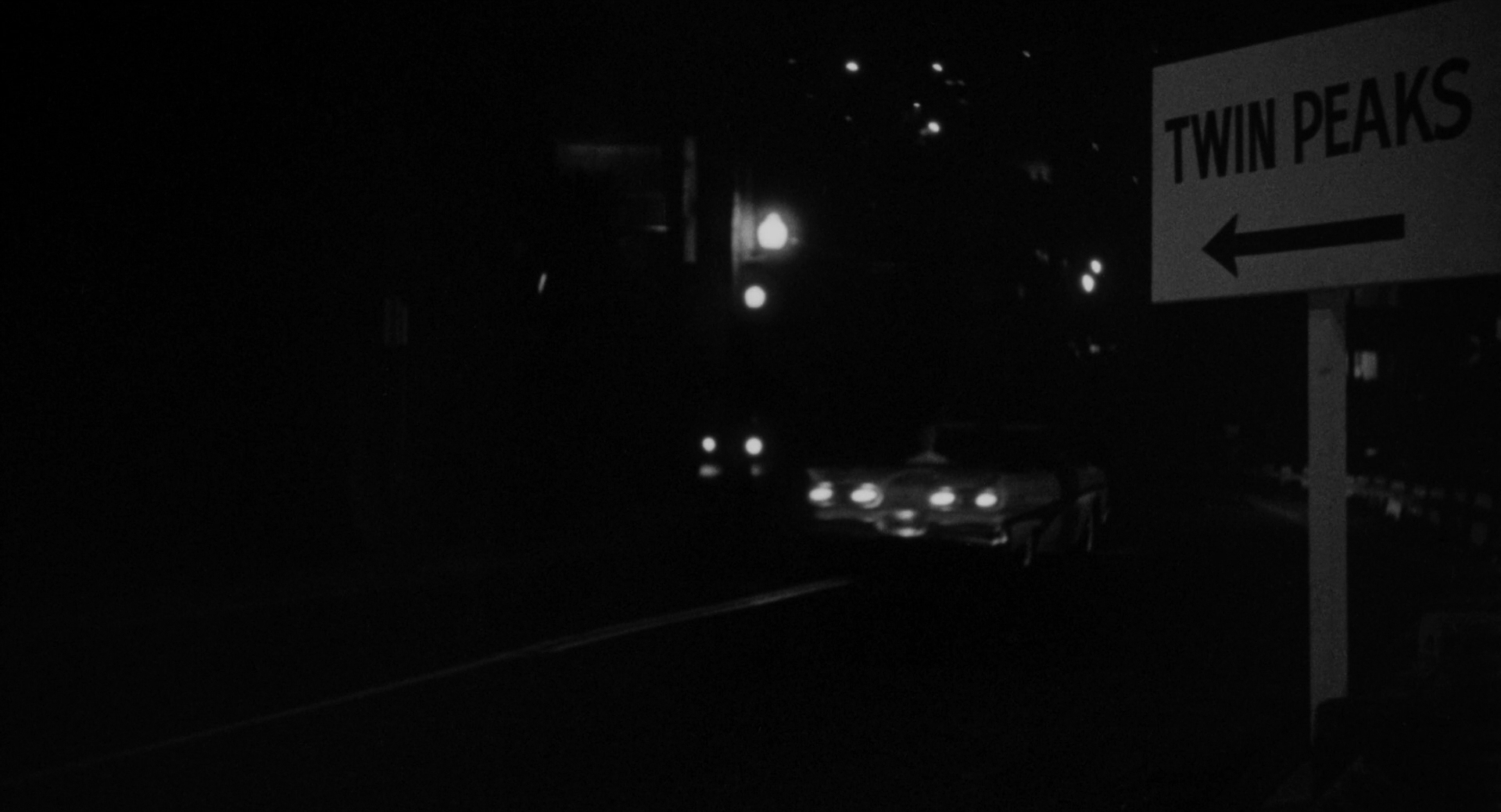
Those problems aside, Experiment in Terror remains a pretty great thriller for its atmosphere and tone alone. The director would follow it nine months later with the blistering drama Days of Wine and Roses, before turning his career in a very different direction the next year. For better or worse, The Pink Panther and its many sequels will forever be Blake Edwards’ legacy, while movies like this one have largely fallen to the wayside. Nevertheless, those who’ve seen it tend to remember it, and the film proved influential to future filmmakers. An almost blink-and-you’ll-miss-it clue proves that it must have been a big inspiration for David Lynch, at the very least.
The Blu-ray
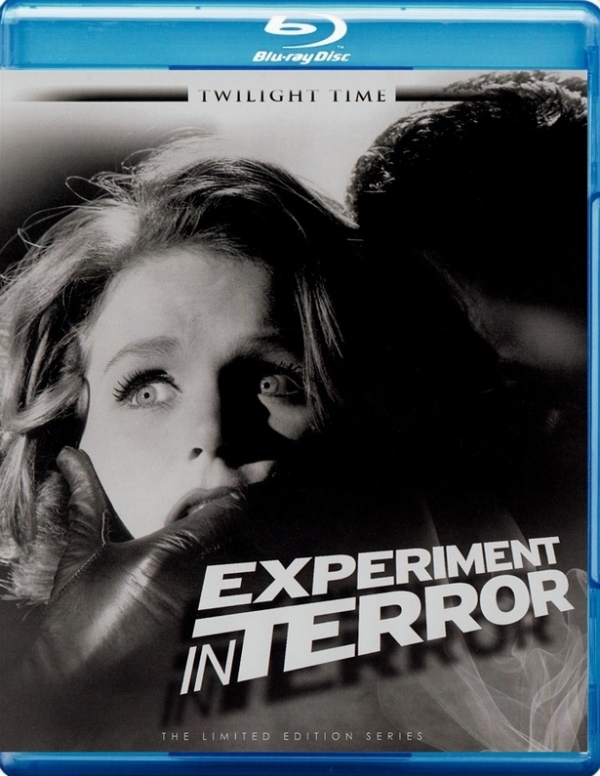
Experiment in Terror was first released on Blu-ray in 2013 by the (now-defunct) Twilight Time label. It was later reissued in 2025 by Sony. I own the Twilight Time edition. I have no information on whether Sony remastered the movie’s video transfer later, but nor do I really think it especially needed changing. The video master Twilight Time used likely came from Sony in the first place, and it holds up quite well.
The black & white image has very nice gray scale and contrast. The latter is especially important given the movie’s use of shadows. Mildly letterboxed to 1.85:1, the picture is pleasingly sharp for the most part with an appropriate level of film grain, though some shots are decidedly softer than the others around them. I’m not sure if that was an issue from the original production or if those parts had to be sourced from lesser film elements. Regardless, they’re not too bothersome.
I also can’t say whether this master was based on a scan of the film’s original negative or something downstream of that. I suspect the latter, but it has no significant speckling or physical damage and looks a lot like projected 35mm to my eyes. I’m satisfied with the disc.
In one point of difference between the two Blu-ray editions, Twilight Time only provides the movie’s soundtrack in DTS-HD Master Audio 5.1 format, while the later Sony disc claims to also include the original mono. Thankfully, as far as multi-channel remixes for older movie soundtracks go, this one is very tasteful and restrained. The track remains heavily front-focused with only a slight bit of music bleed to the surround speakers. Honestly, I wouldn’t have even noticed that from my seated position and had to put my ear to a speaker to confirm. Although subtle, the effect helps to broaden the music a little.
Henry Mancini’s score opens with an impressive sustained low note to immediately put viewers on edge. Whether it was remastered from original recording stems or processed into simulated stereo I don’t know. In either case, the music has nice fidelity and all dialogue is clear and intelligible. Even though I’d like to have the mono as well, I don’t think that alone is worth buying another Blu-ray to get.
For bonus features, Twilight Time actually has a very small edge over Sony, which only offers a trailer. The Twilight Time disc also has an isolated score track, a couple TV spots, and a booklet with essay by the label’s Julie Kirgo. If not much, they’re something.


This was a pretty cool movie although I haven’t watched since like 2020 when I got my disc. I have one from Powerhouse/ Indicator which has a 4k restoration from the OCN. It was very beautiful to look at. There’s a deluxe version but I just have the standard single disc which drops the extra essays and paper packaging and dvd. I’m thinking the Sony which was released last year probably uses the new restoration but only has a theatrical trailer listed on the back. The powerhouse has a commentary, an interview with Stephanie Powers, the original mono soundtrack, the 5.1, the isolated score track, trailers, and tv spots. The disc is region ABC as well. I remember what got me interested was that it was a Blake Edwards movie and it wasn’t a comedy.
LikeLiked by 1 person
Excellent write-up, Josh. I want to see this…
LikeLiked by 1 person